A week in Northwest Alaska
Western
Arctic
Four parklands, with Kotzebue at the center.
Thirty miles above the Arctic Circle
Kotzebue was not simply where we waited for a plane. For one week, it was where we lived.
From this compact community on Kotzebue Sound, we traveled outward to four Western Arctic parklands. Between flights, we walked the shoreline, bought groceries, exercised at the armory, learned the rhythms of town, and became familiar faces to the dogs we passed each day.
NPS: Western Arctic National Parklands ↗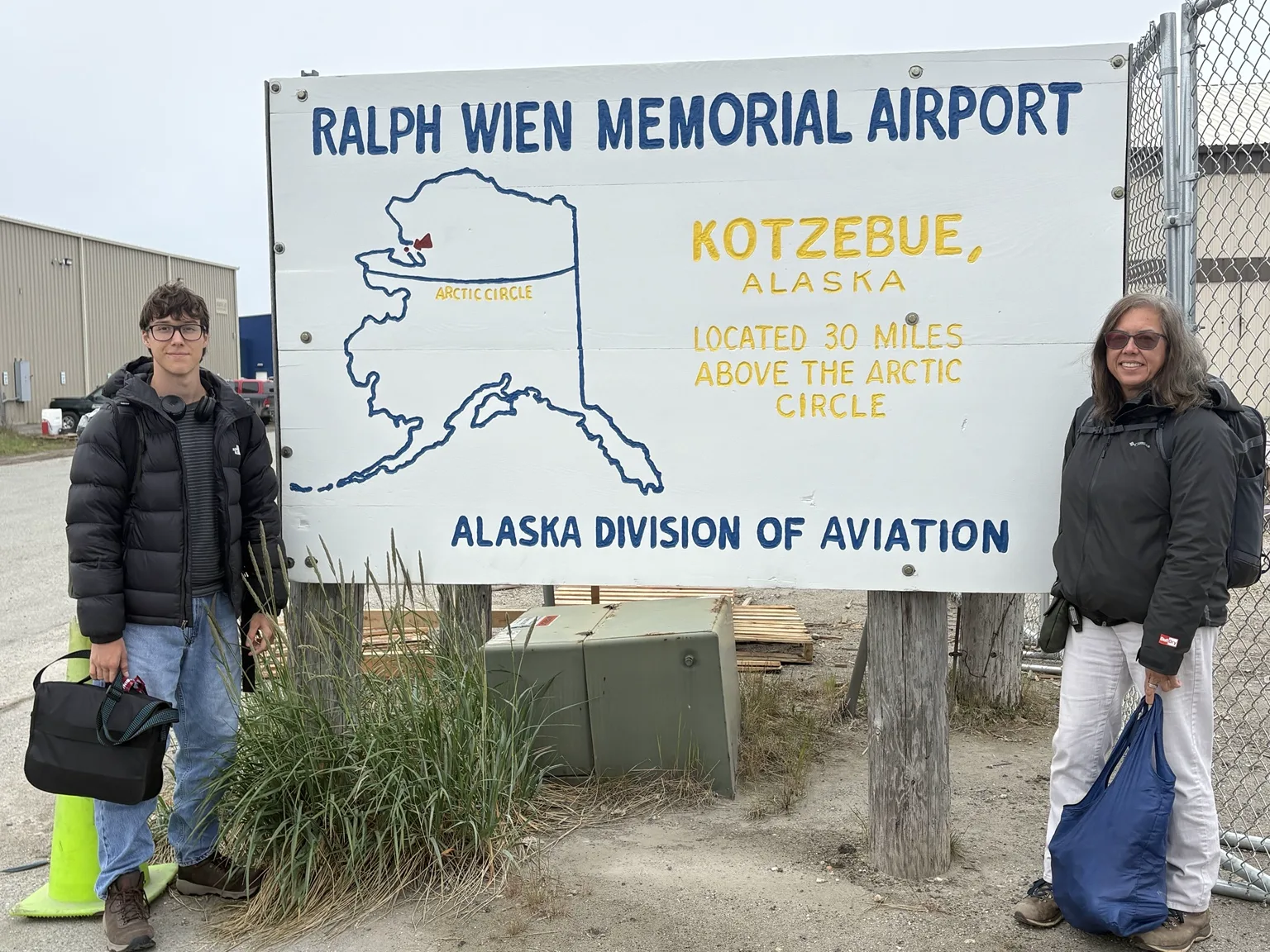
Arrival on foot
A town close enough to walk
The main hotel was roughly a quarter mile from the airport, and our first rental was about the same distance away. Most people traveled by 4x4, but the center of town was compact enough for us to cross on foot.
We first stayed in a shared mobile home with two electricians whose flights had also been grounded. After two days, we moved to an apartment for five nights. Our host helped us understand where to shop, what to do, and how to enter community life respectfully. Separate bedrooms, our own kitchen, a washer and dryer, and a large basket of snacks made it feel like a true vacation.
At the water
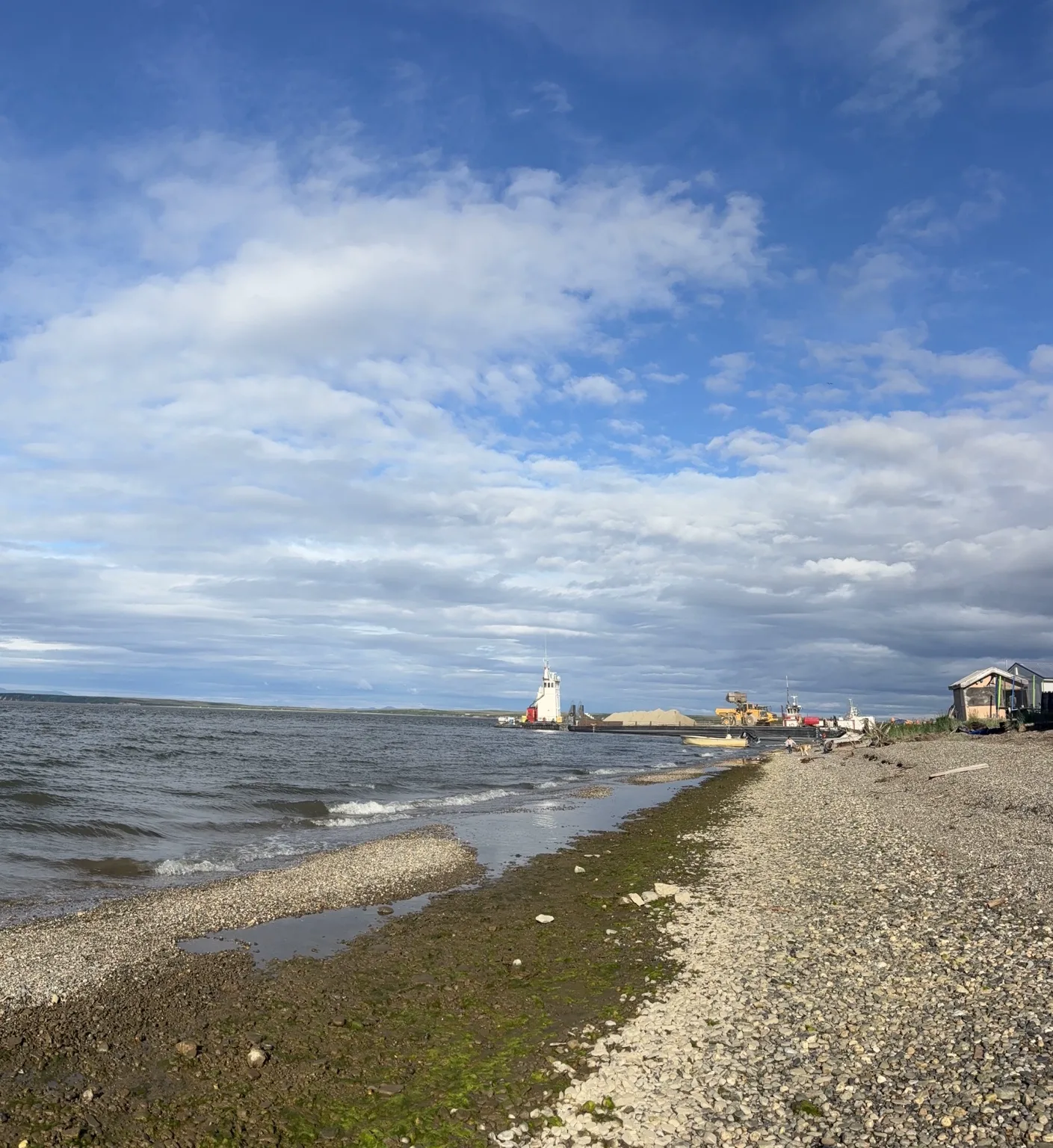
The sea without the familiar smell
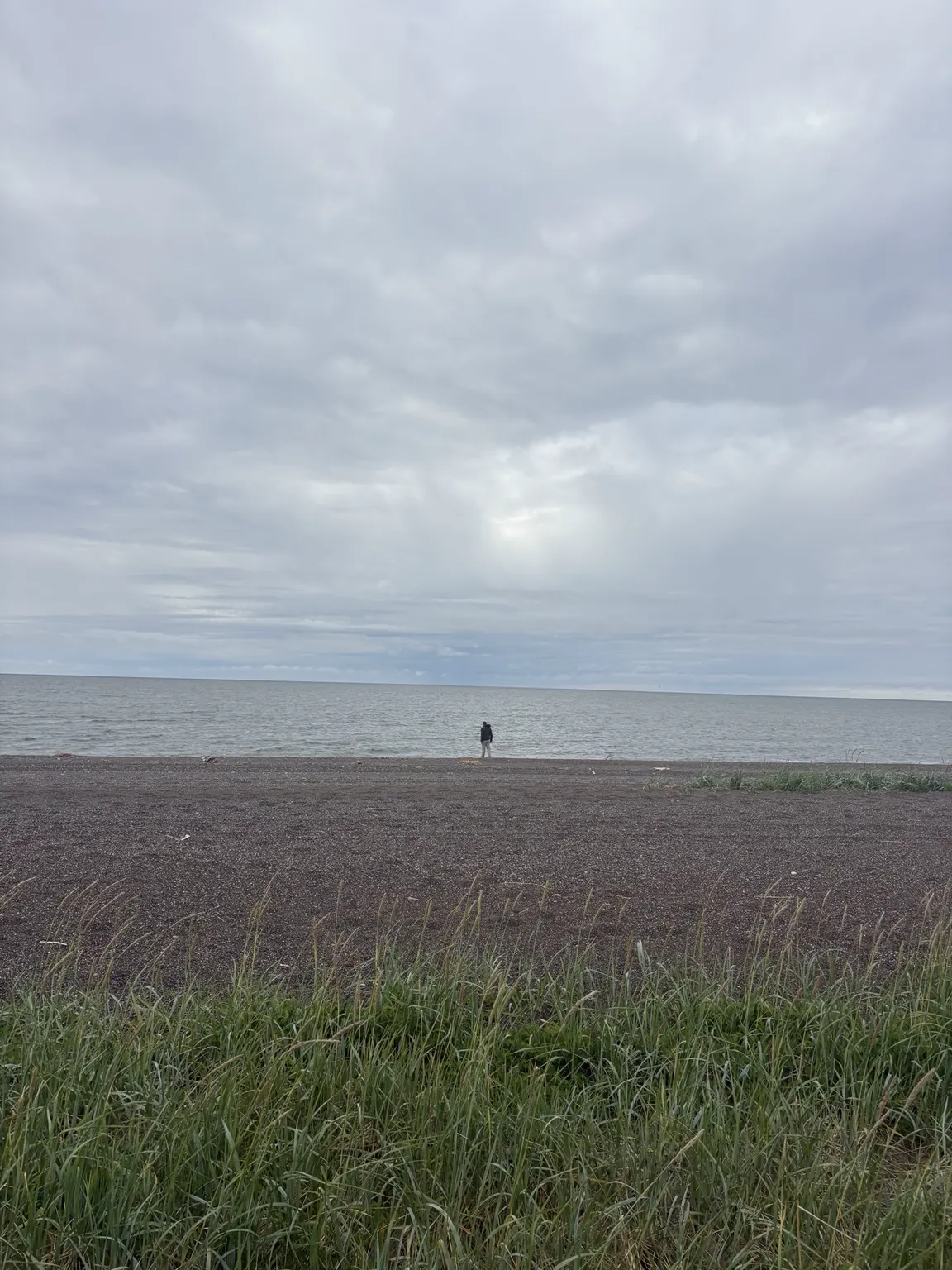
Standing beside the water, we expected the strong salt and seaweed smell of other coasts. Surprisingly, it was absent. That familiar scent does not come from salt itself. It comes largely from sulfur compounds released through marine algae and bacteria. In summer, immense volumes of freshwater from the Noatak, Kobuk, and Selawik Rivers make the water beside Kotzebue extremely brackish and sometimes nearly fresh. Cold water, less exposed seaweed, and slower decomposition can further soften the marine scent. Kotzebue Sound did not smell like any coast we knew because this was a river shaped Arctic estuary, not an open ocean beach.
On days when the armory gym was open, Robbie and I exercised there. On the other days, he jogged while I walked beside the sound. The shoreline became our daily route rather than a scenic stop.
The everyday landscape
We were inside the community
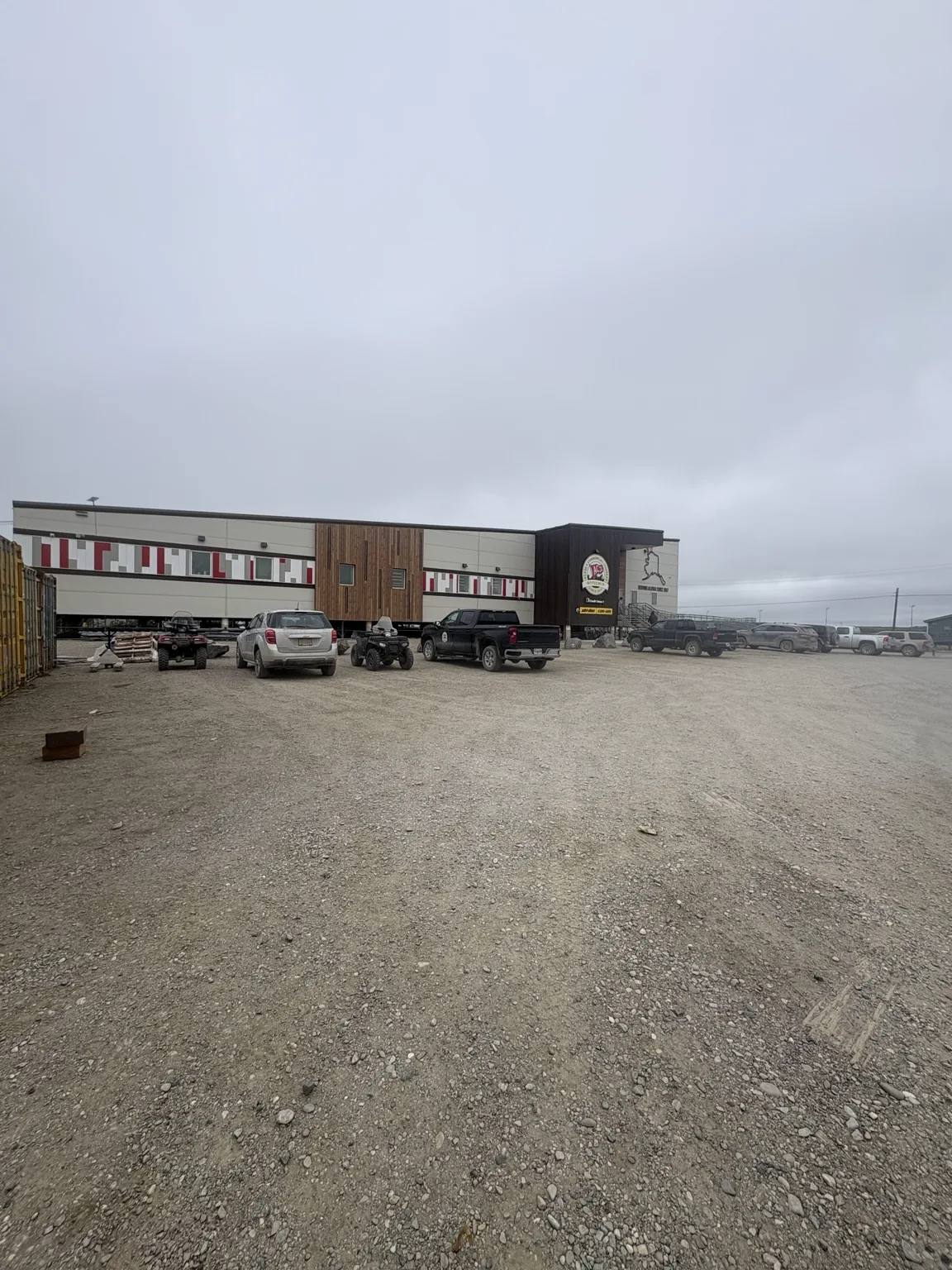
Families took a Sunday evening drive out onto the tundra, following a loop of roughly six miles that returned through the fish camps and airfield. Four wheelers and 4x4s were part of everyday movement. Very few people walked as we did.
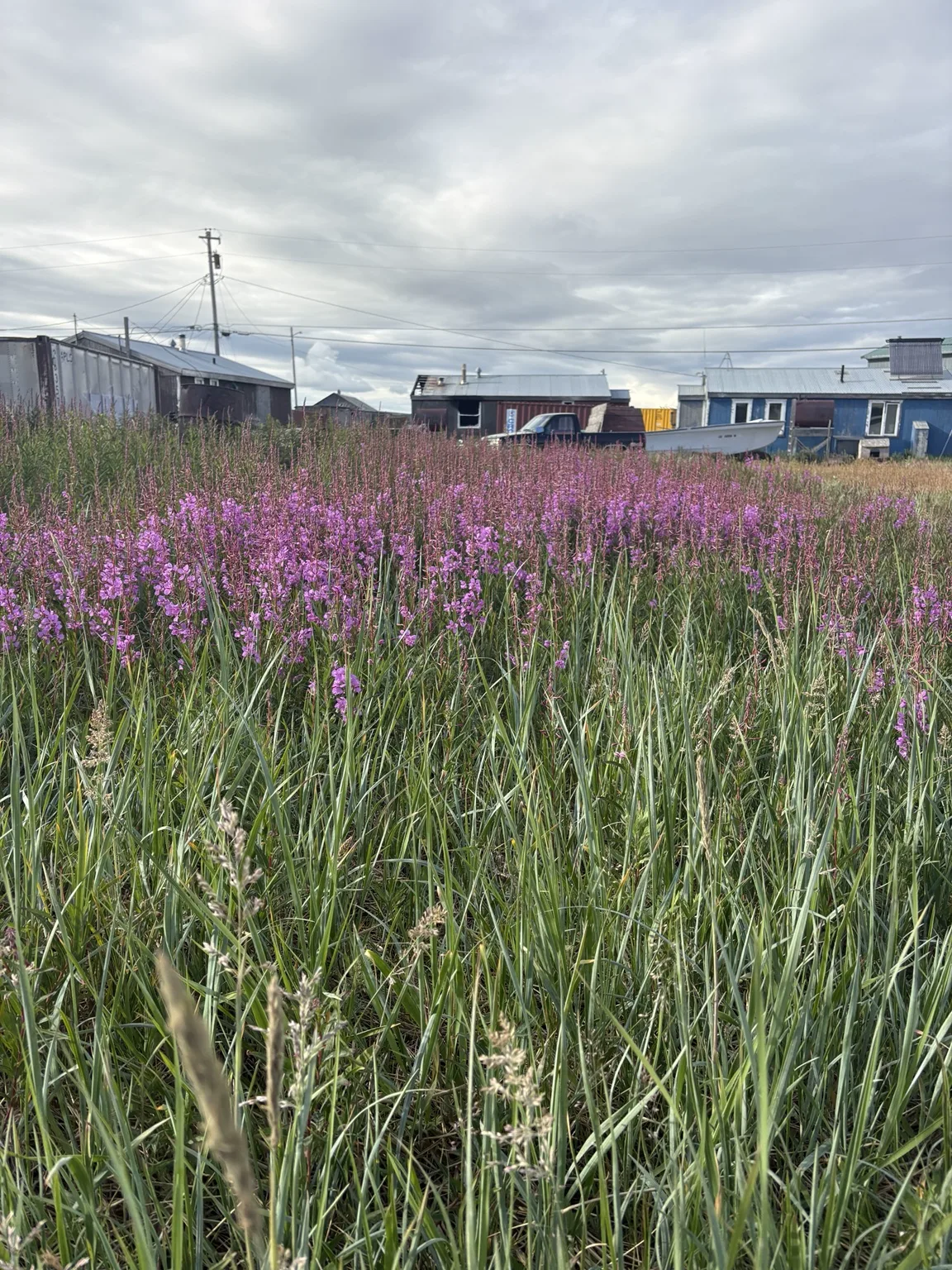
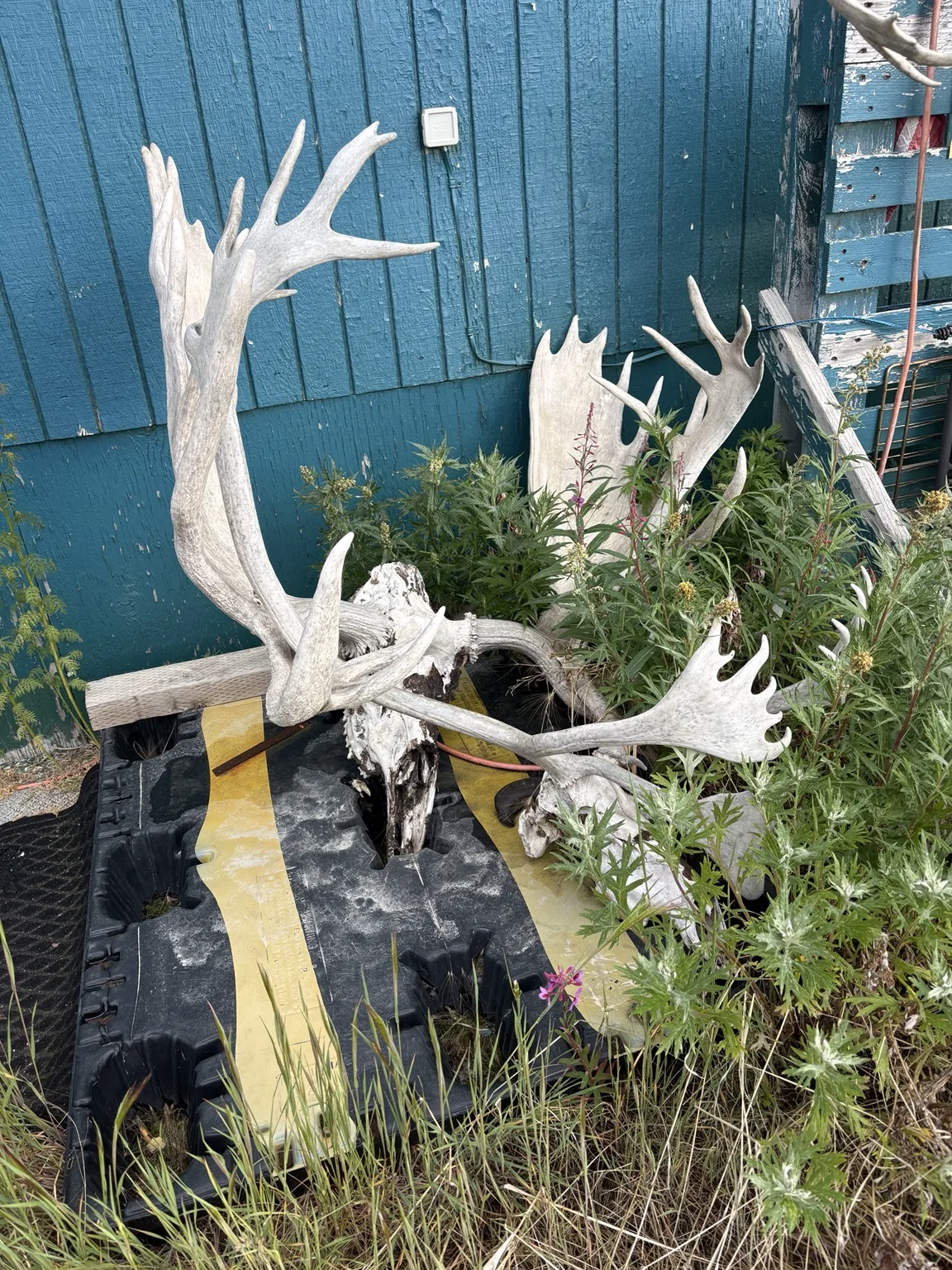
Dogs began to recognize us. Some were chained beside simple shelters made from wooden boxes, overturned containers, and hay. Sleds stood in some yards. Materials accumulated because the systems for removing waste were not the systems we knew at home. We had to stop measuring the town against the visual order of the lower 48.
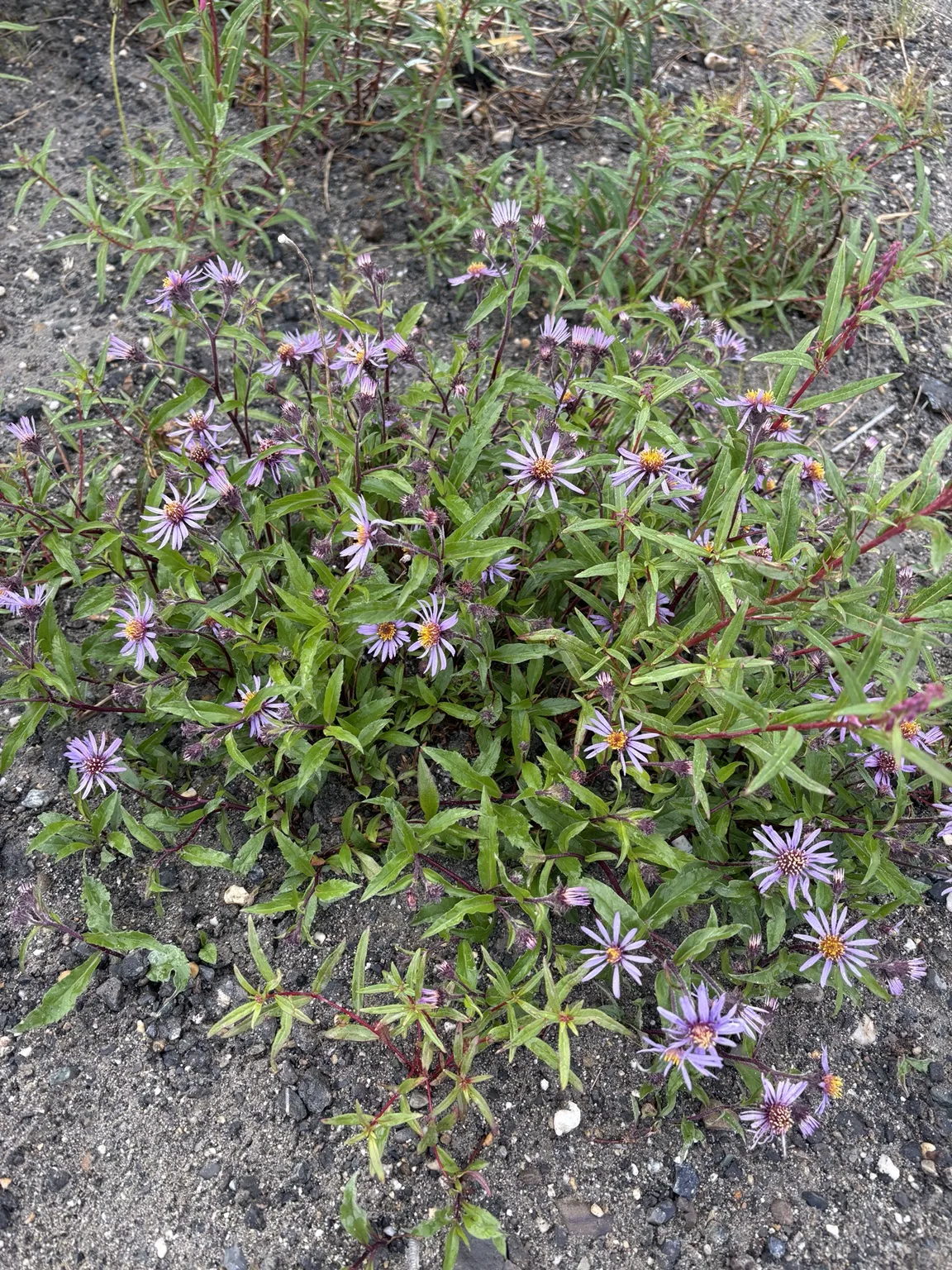
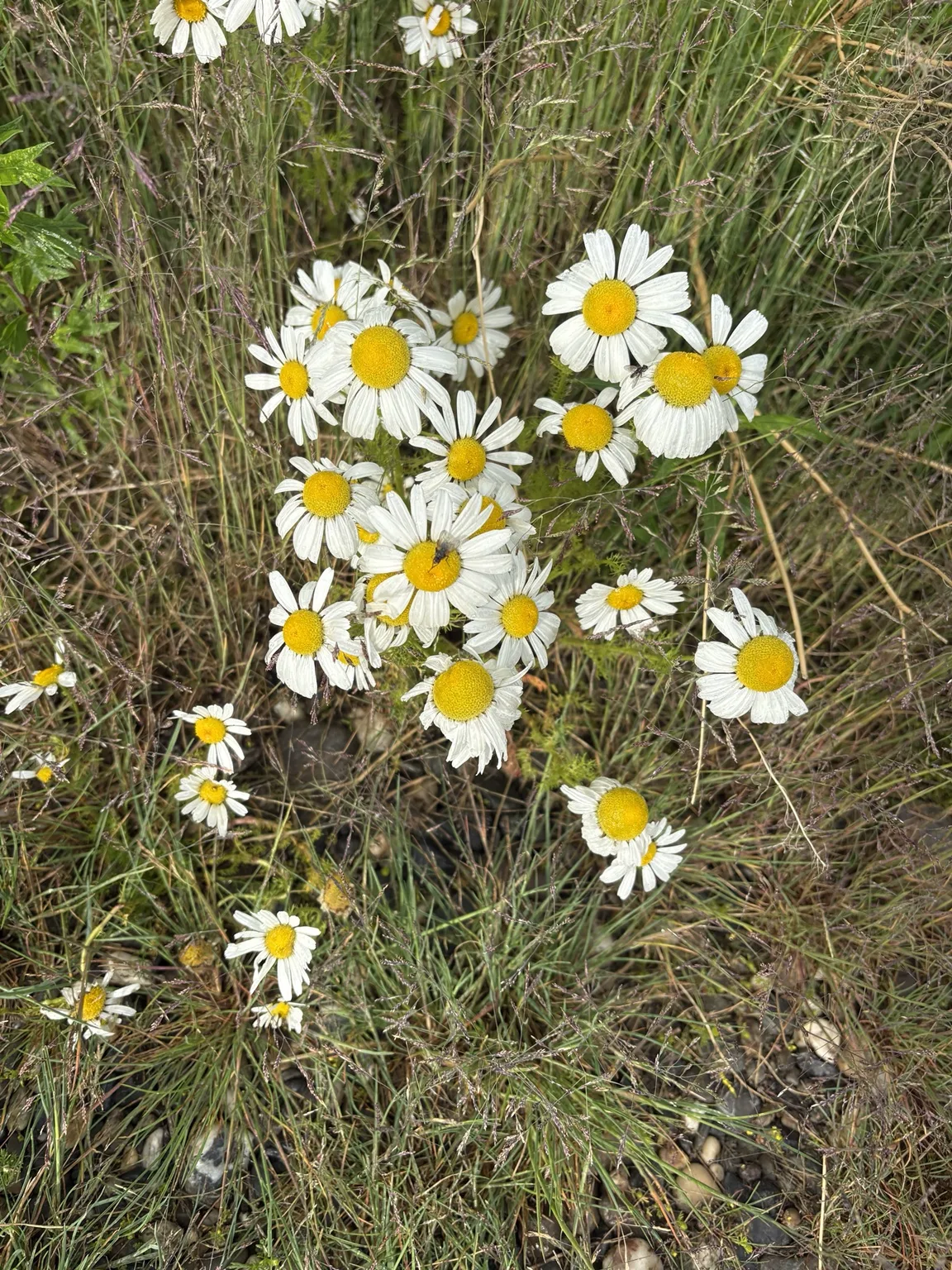
Everything could appear gray and vast, yet we found it beautiful. Against that field of weathered wood, gravel, water, and sky, one patch of color beside the road became intensely visible.
Small color, immense space
A spot of color by the roadside became meaningful.
Four ways outward
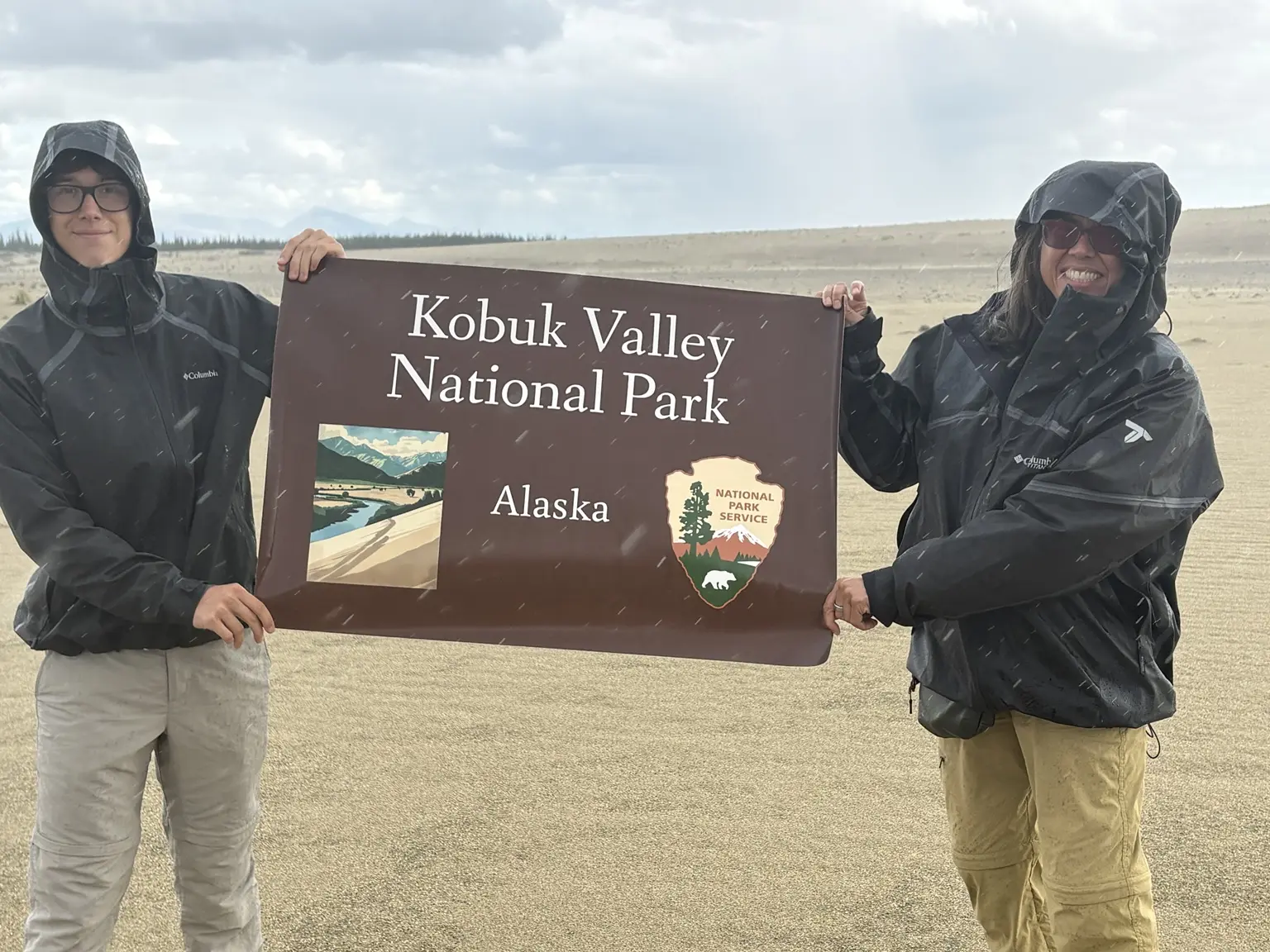
The Western Arctic parklands
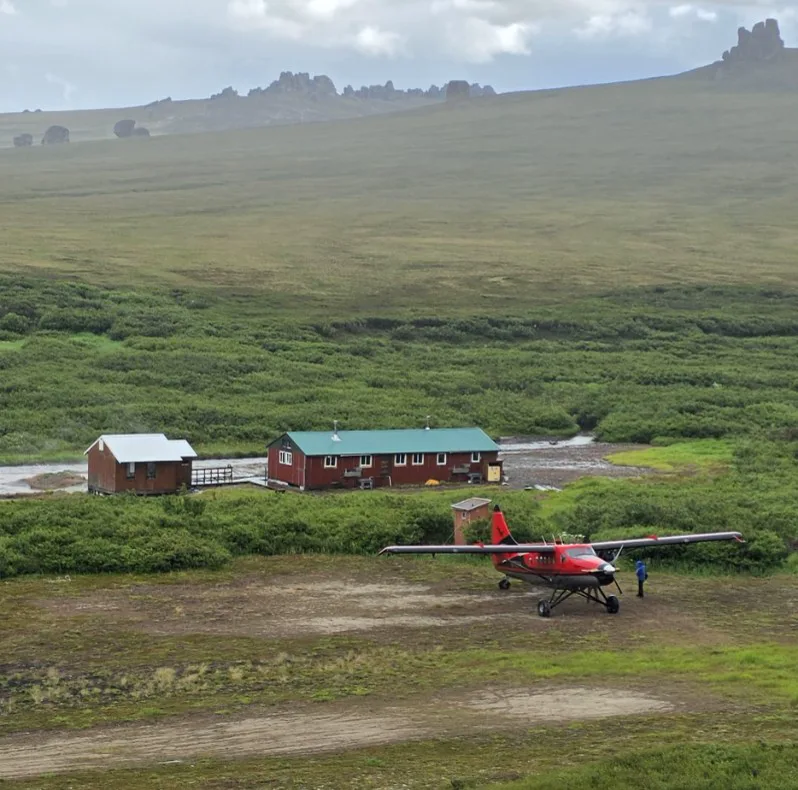
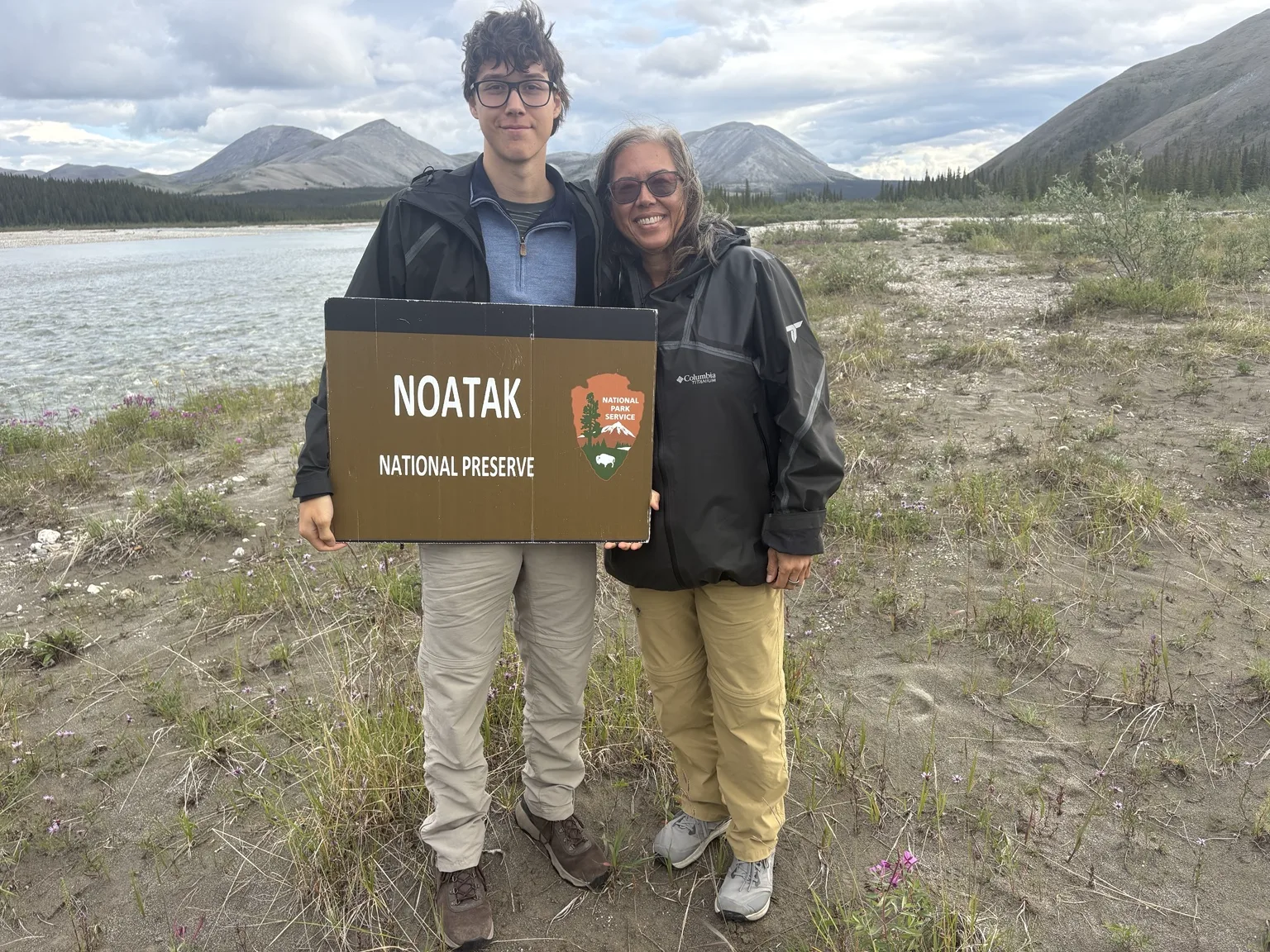
Kotzebue held the journeys together. Each flight led into a landscape with its own scale, history, and way of asking us to pay attention.
Planning the journey
Traveling into the Western Arctic
Practical notes on bush flights, weather, lodging, food, and moving respectfully through these roadless parklands are being prepared.
Western Arctic field guide · Coming soon