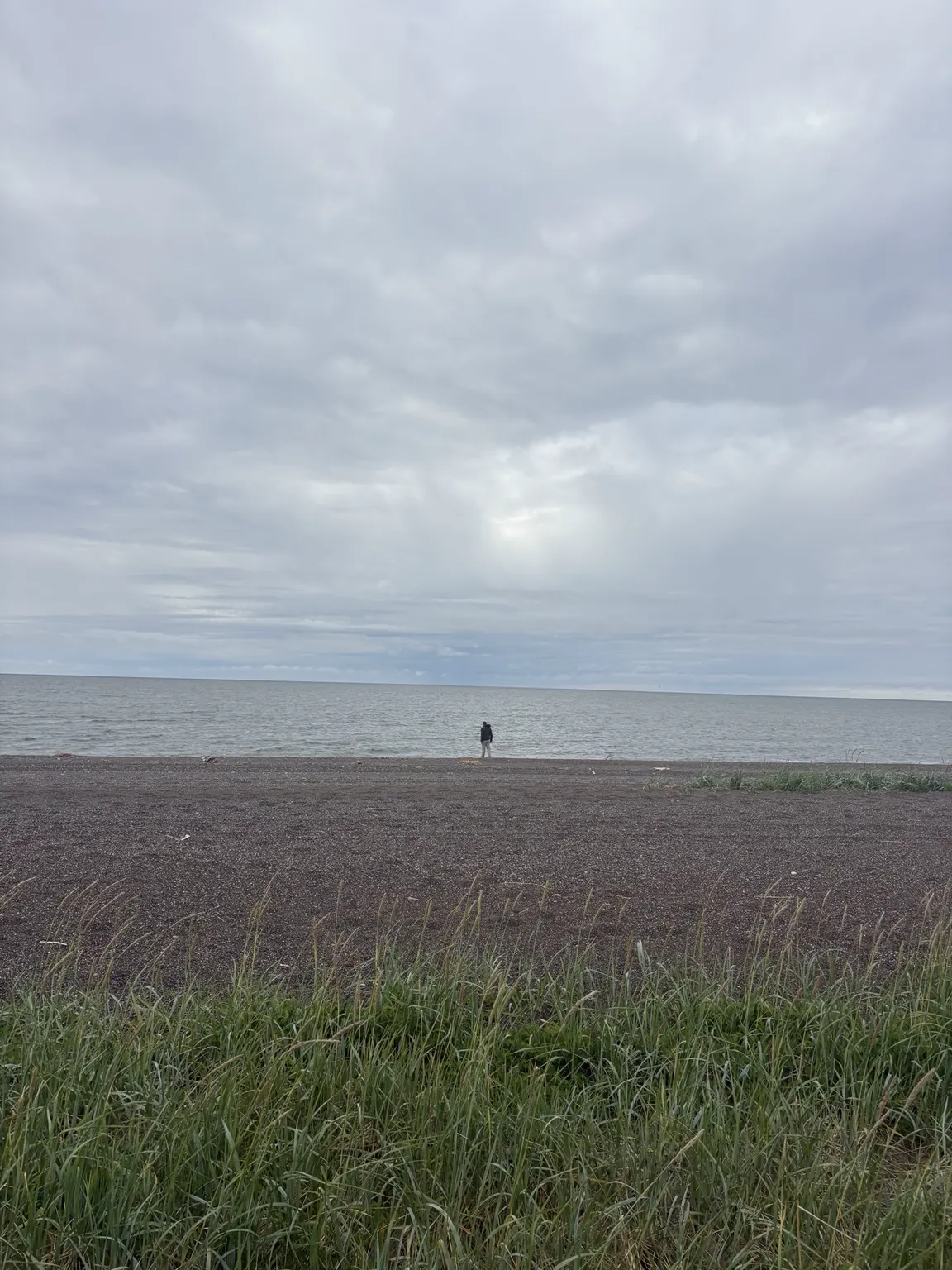
Alaska · National Monument
Cape
Krusenstern
Where shorelines hold time and every season redraws the way across.
Field note
At Cape Krusenstern, distance is something you feel, not only in miles, but in the space between land, water, weather, animals, and people.
There are no roads, established trails, campgrounds, or visitor facilities here. We arrived in summer by small plane, landing in a landscape that felt at once immense and minutely alive.
A different map in every season
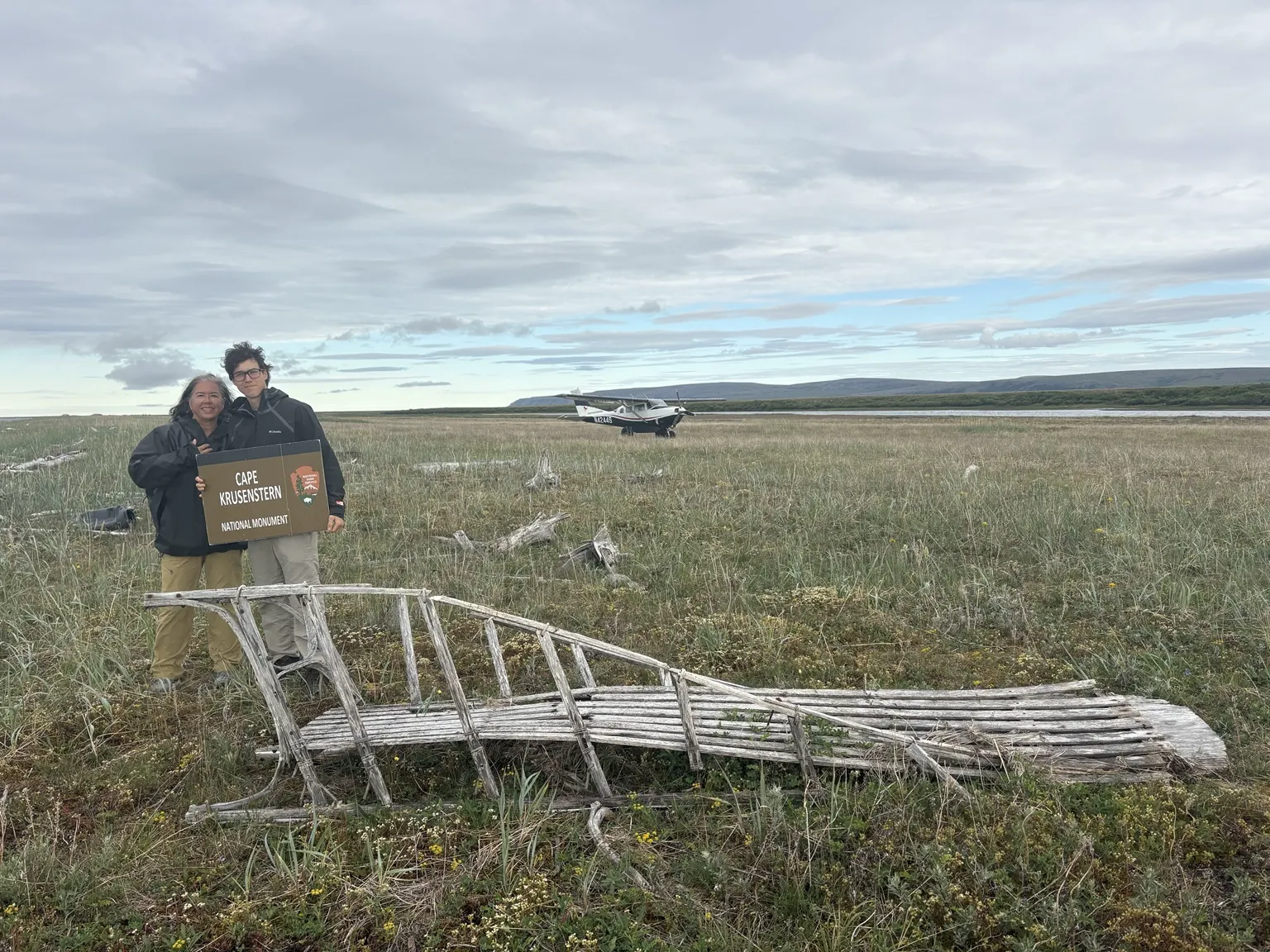
The sled beside the airplane
Beside the plane that brought us stood the weathered frame of a dog sled. In summer, access commonly depends on aircraft or watercraft. In winter, frozen water and snow create other routes by aircraft, snowmachine, skis, snowshoes, or dog team.
Dog mushing remains part of life in the region, even as aircraft and snowmachines have changed how many journeys are made. The old sled did not feel like a museum object. It belonged to a living question: how does the relationship between people and land change when the way of crossing it changes?
NPS: directions and seasonal access ↗Seen from the air
Muskox on the tundra
From the small plane, the muskox appeared first as scattered dark points against the immense patterned ground. The distance is part of the encounter: wildlife is not staged here, and the landscape does not surrender its scale.
Looking closely
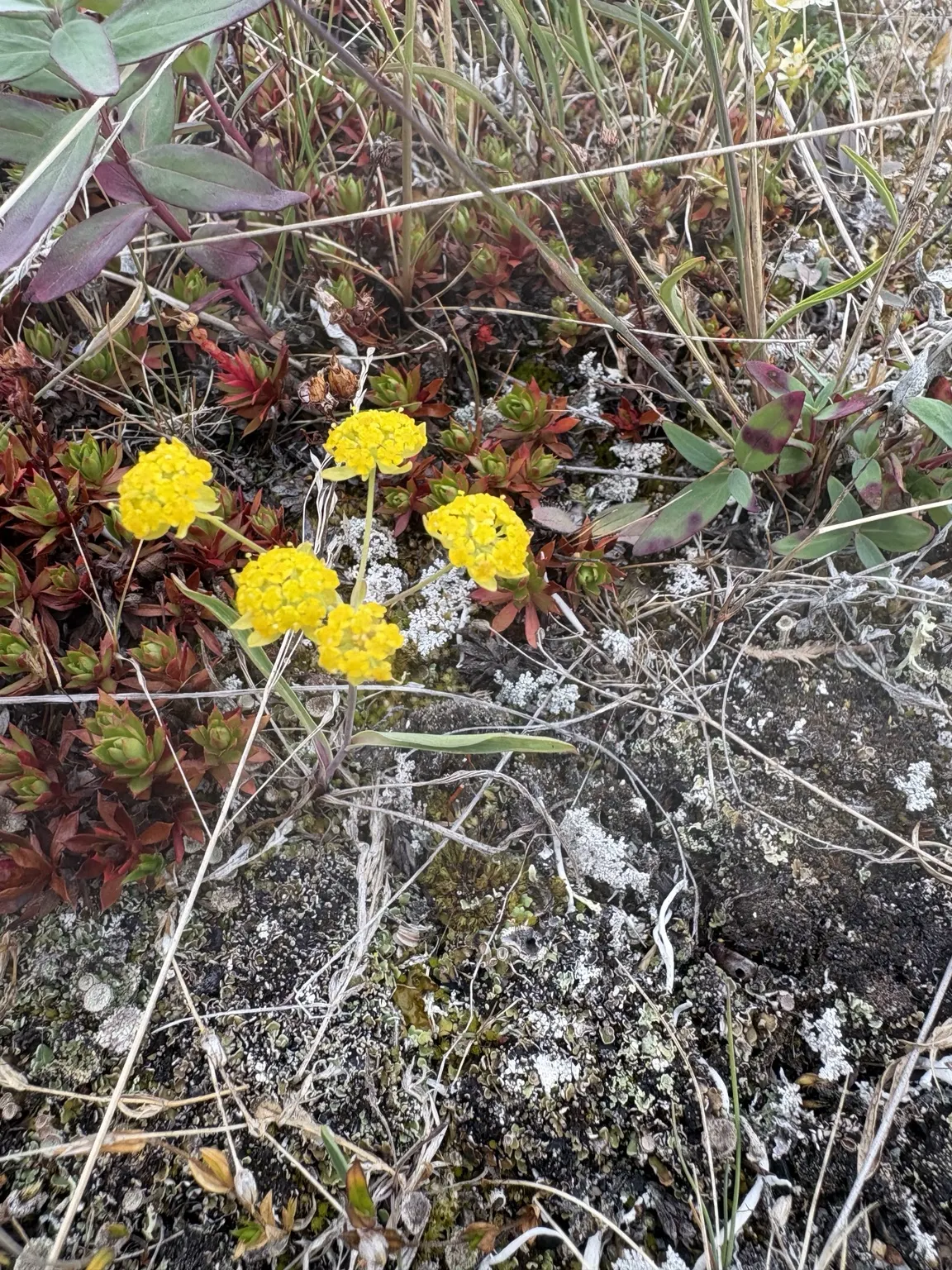
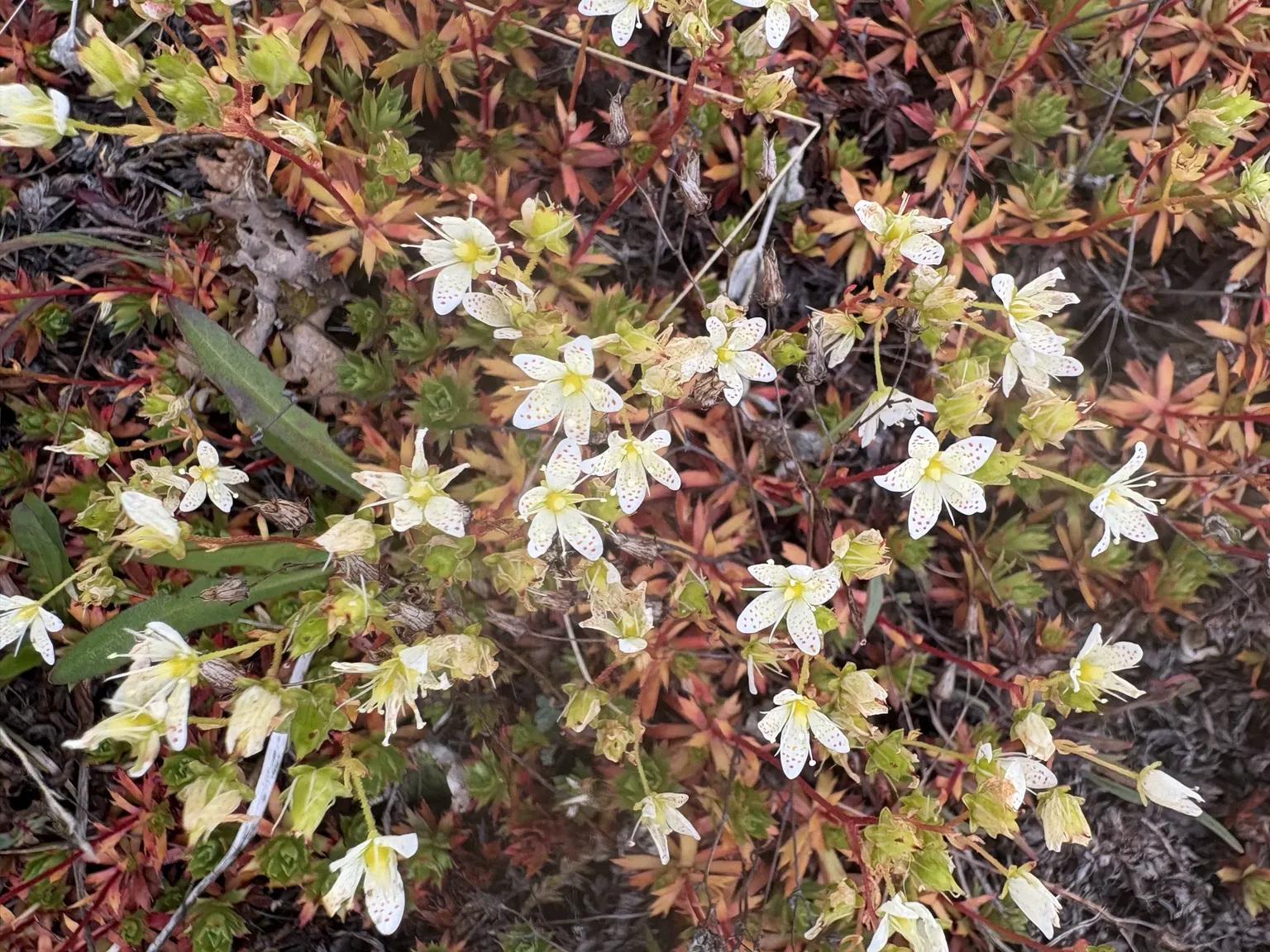
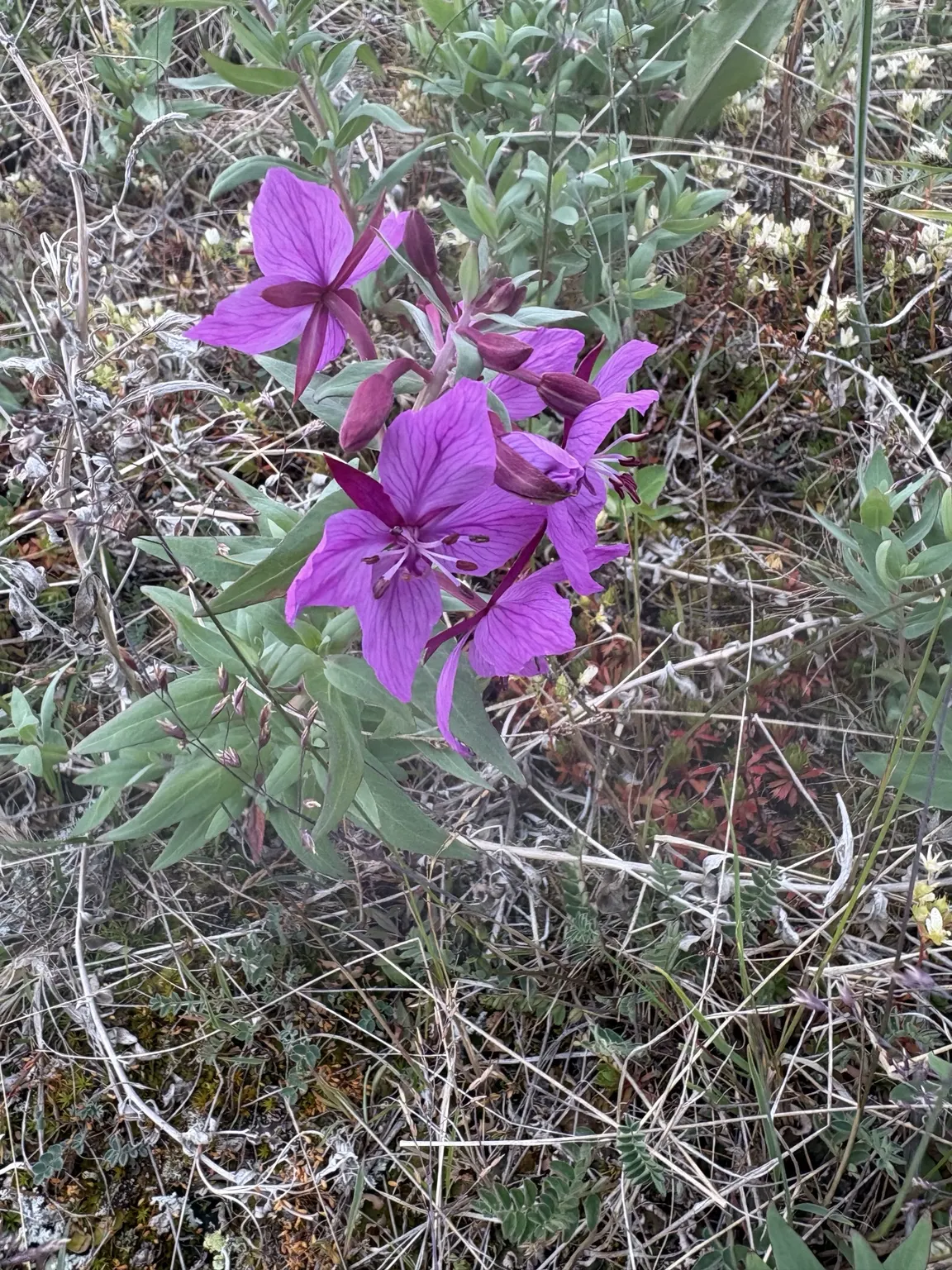
A landscape at two scales
From the air, the tundra seemed almost spare. On the ground it was densely alive: lichen, miniature leaves, and flowers growing close together beneath the wind.
A shoreline that holds time
Not only an archaeological past
Cape Krusenstern’s 114 successive beach ridges document more than 5,000 years of human use. They are also part of a living Iñupiaq cultural landscape, connected to present day subsistence, travel, community, and knowledge of the seasons.
NPS: Cape Krusenstern overview ↗Robbie’s field notes
What did you notice here that a photograph could not hold?
This space is deliberately open for Robbie’s own account, something remembered from the flight, a Junior Ranger discovery, a question about the land, or simply what the quiet felt like. His words can be added exactly as he writes them.
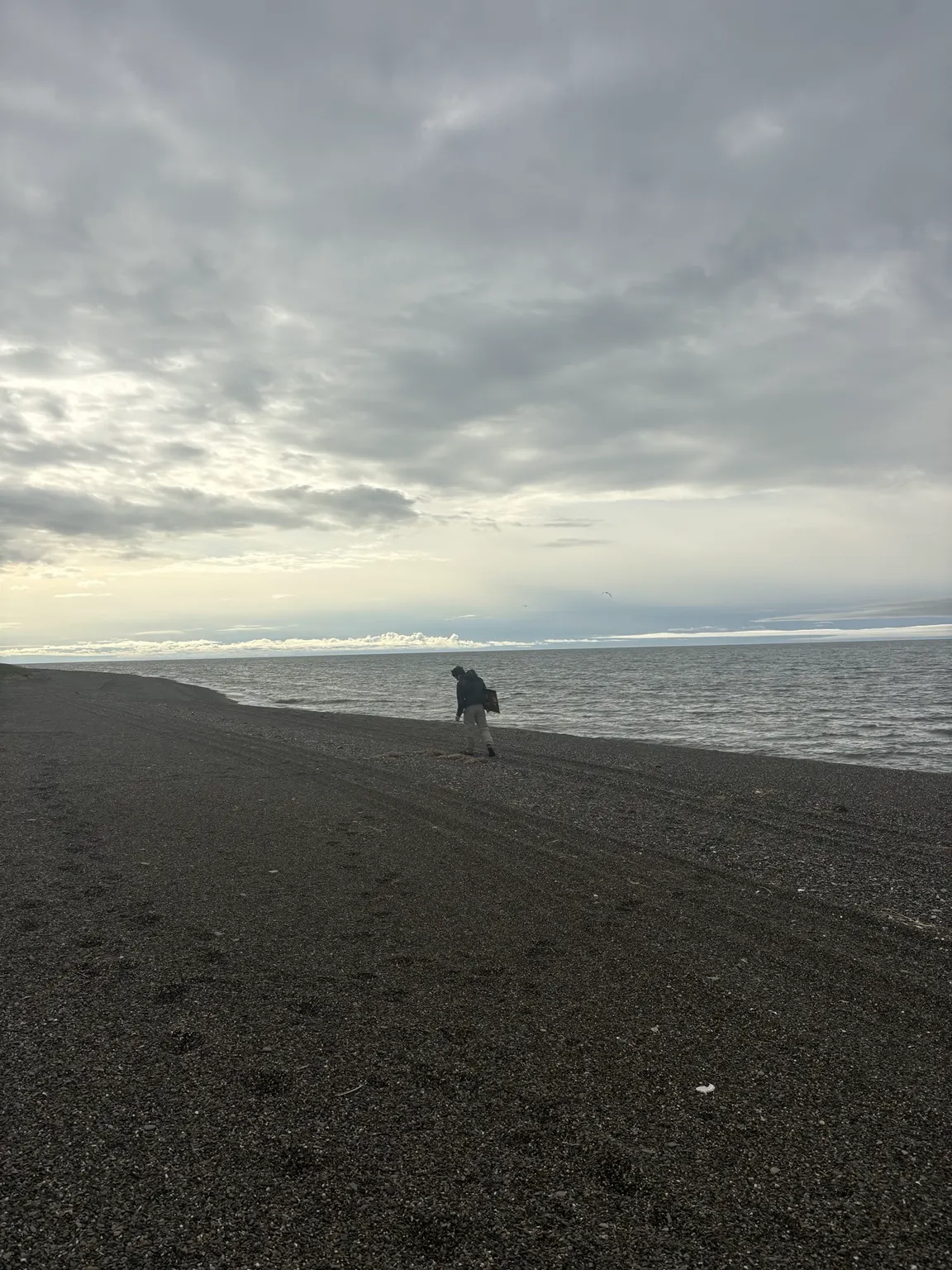
Chukchi Sea coast · Cape Krusenstern National Monument
Planning the journey
Traveling into the Western Arctic
Practical notes on bush flights, weather, lodging, food, and moving respectfully through these roadless parklands are being prepared.
Western Arctic field guide · Coming soon