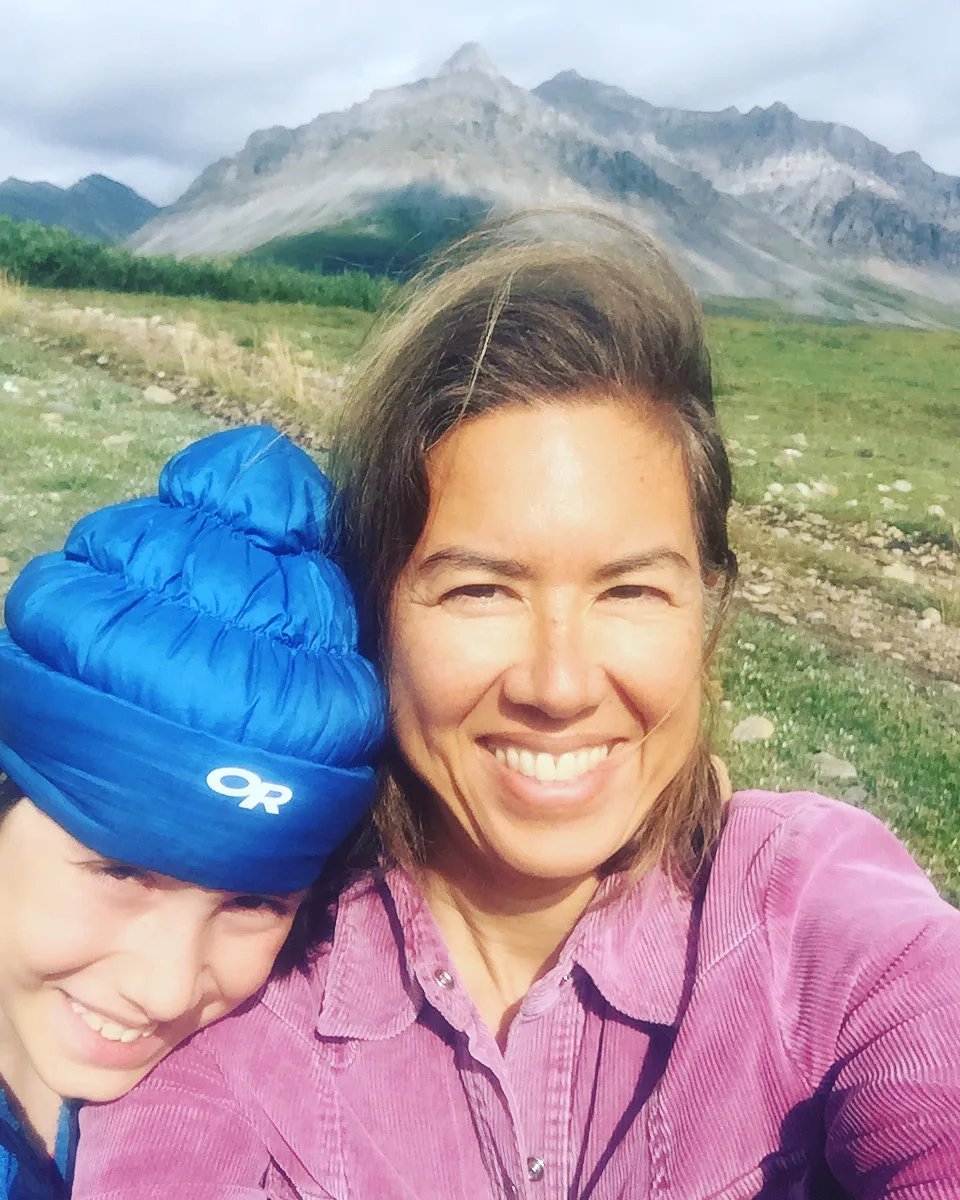
Alaska · 2019 · National Park and Preserve
Gates of
the Arctic
A national park that is also home.
Across the Brooks Range
We entered Gates of the Arctic through a community, not through a trailhead.
In 2019, we flew from Fairbanks to Anaktuvuk Pass on a four seat mail plane, crossing the northern slopes of the Brooks Range as clouds moved among the ridges. One of our fellow passengers had just won a gold medal at the World Eskimo Indian Olympics, the event’s official name. Even before we landed, this journey was about more than scenery. It was about the life carried across the land.
NPS: Visiting Anaktuvuk Pass ↗The passage north
Mountains through cloud
From the small plane, the Brooks Range appeared and disappeared beneath us. Rivers divided into channels. Valleys opened between gray ridges. The flight made the remoteness visible, but it also revealed routes that people and animals have followed for generations.
Anaktuvuk means the place of caribou droppings. The name identifies the pass as a place known through movement and return.
Inside the boundary
A village within the park
Anaktuvuk Pass is the only permanent community inside Gates of the Arctic National Park. It is not a reservation. It is a Nunamiut village surrounded by lands owned by the village and regional Native corporations.
The Nunamiut are inland Iñupiat people whose lives have long been connected to caribou. After generations of moving through the central Brooks Range, Nunamiut families made what is remembered as the Long Walk in 1949 and established a permanent community at Anaktuvuk Pass. The decision to settle did not end their relationship with the wider land. Subsistence hunting, travel, family knowledge, and caribou migration continued across boundaries that a map could not contain.
NPS: Origins of Anaktuvuk Pass ↗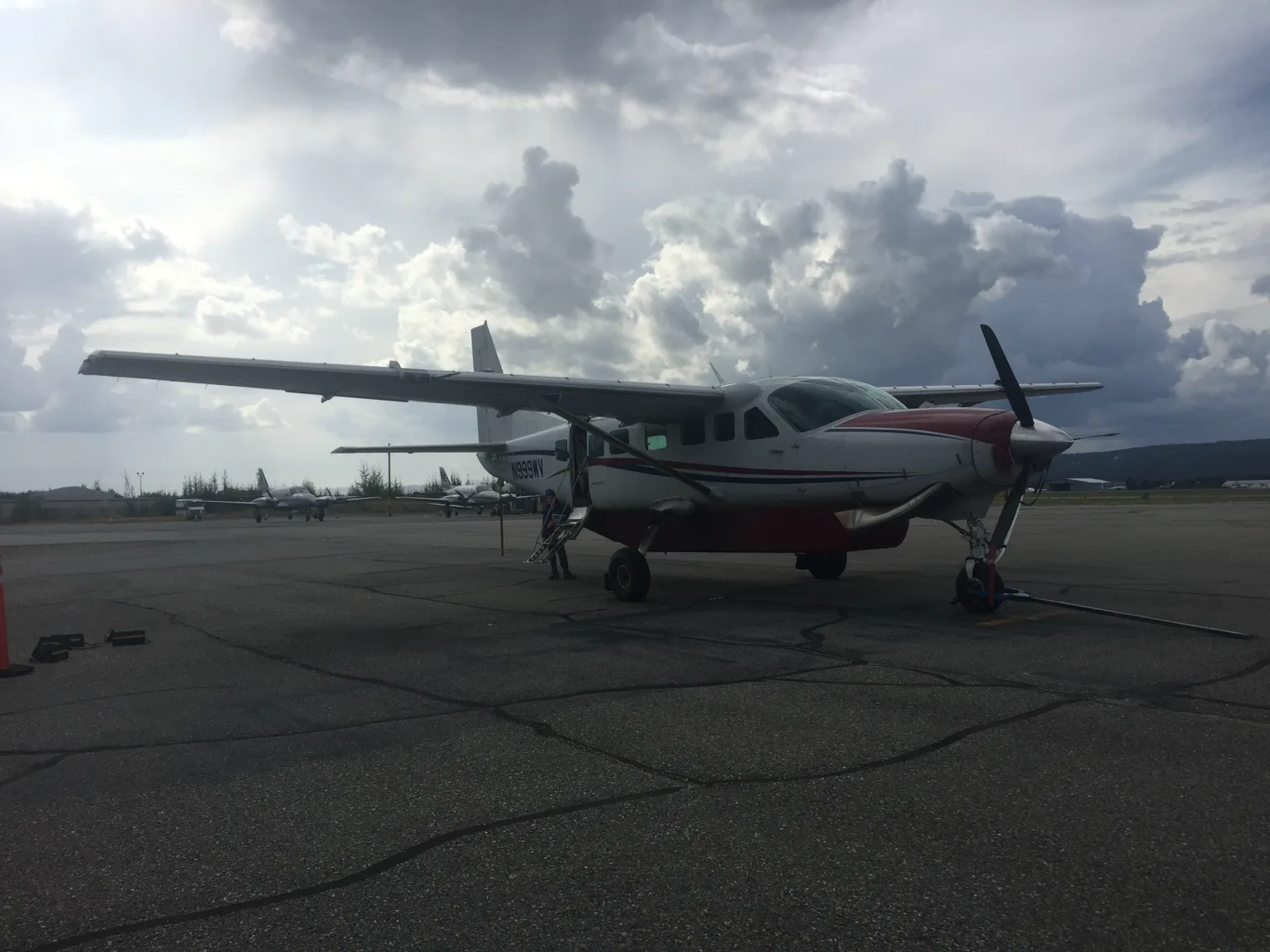
Welcomed inside
The school learned from the community
The principal saw us outside and invited us into the school. In the gym, a mural wrapped around the walls with images of the mountains, caribou, hunting, celebration, and daily life.
He explained that the school had learned to respect the subsistence calendar. Many students needed to be with their families during the fall caribou hunt. Education could not succeed by treating that knowledge and responsibility as an interruption. The school had to understand the community it served.
Simon Paneak Memorial Museum
Caribou at the center
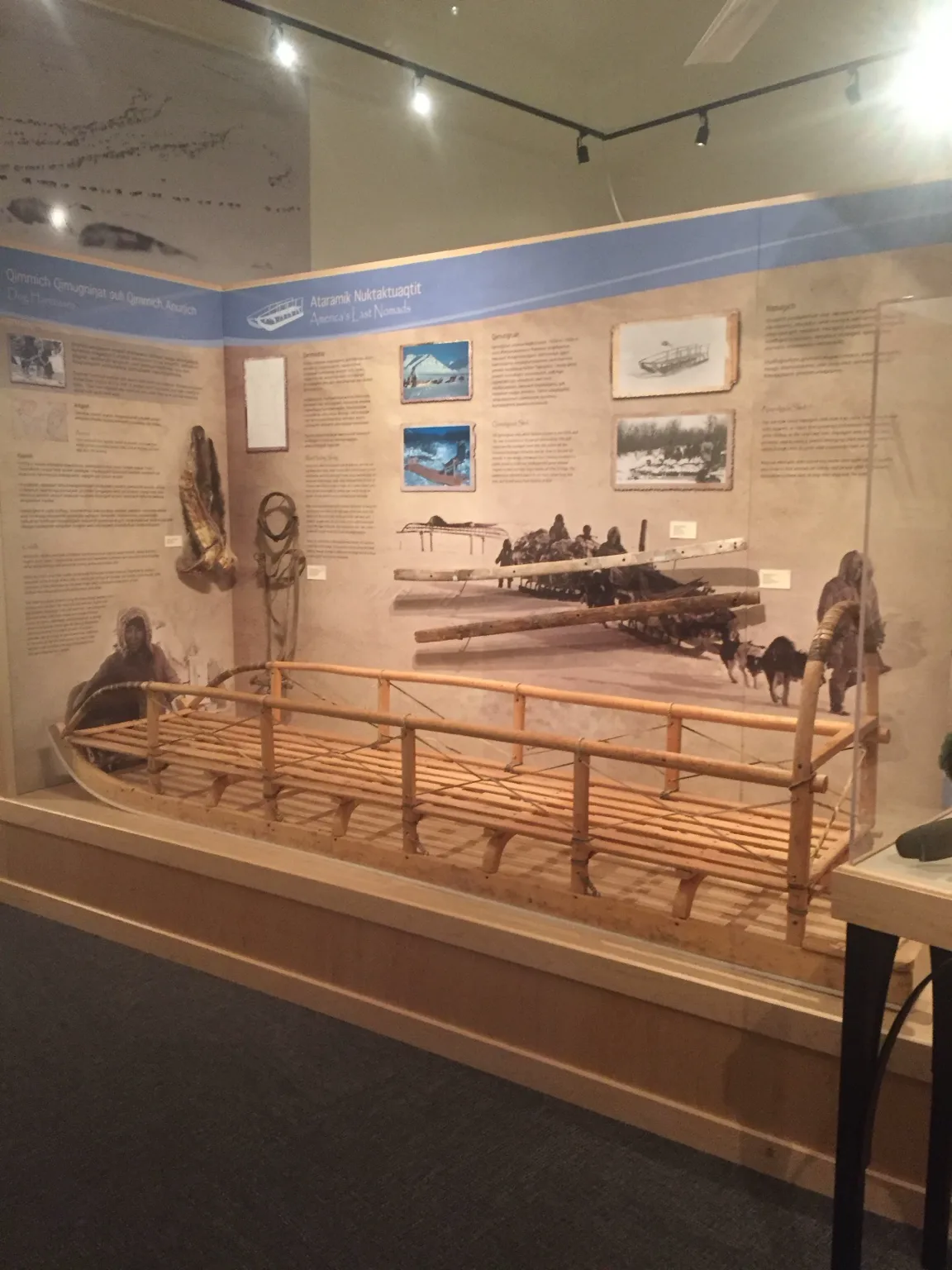
The museum helped Robbie understand what the landscape alone could not explain. Clothing, shelter, sleds, photographs, tools, and stories showed how caribou supported food, movement, warmth, and culture.
Simon Paneak was a hunter, storyteller, historian, and community leader. The museum bearing his name presents Nunamiut knowledge from within the community rather than treating the people of the Brooks Range as part of a vanished past.
Simon Paneak Memorial Museum ↗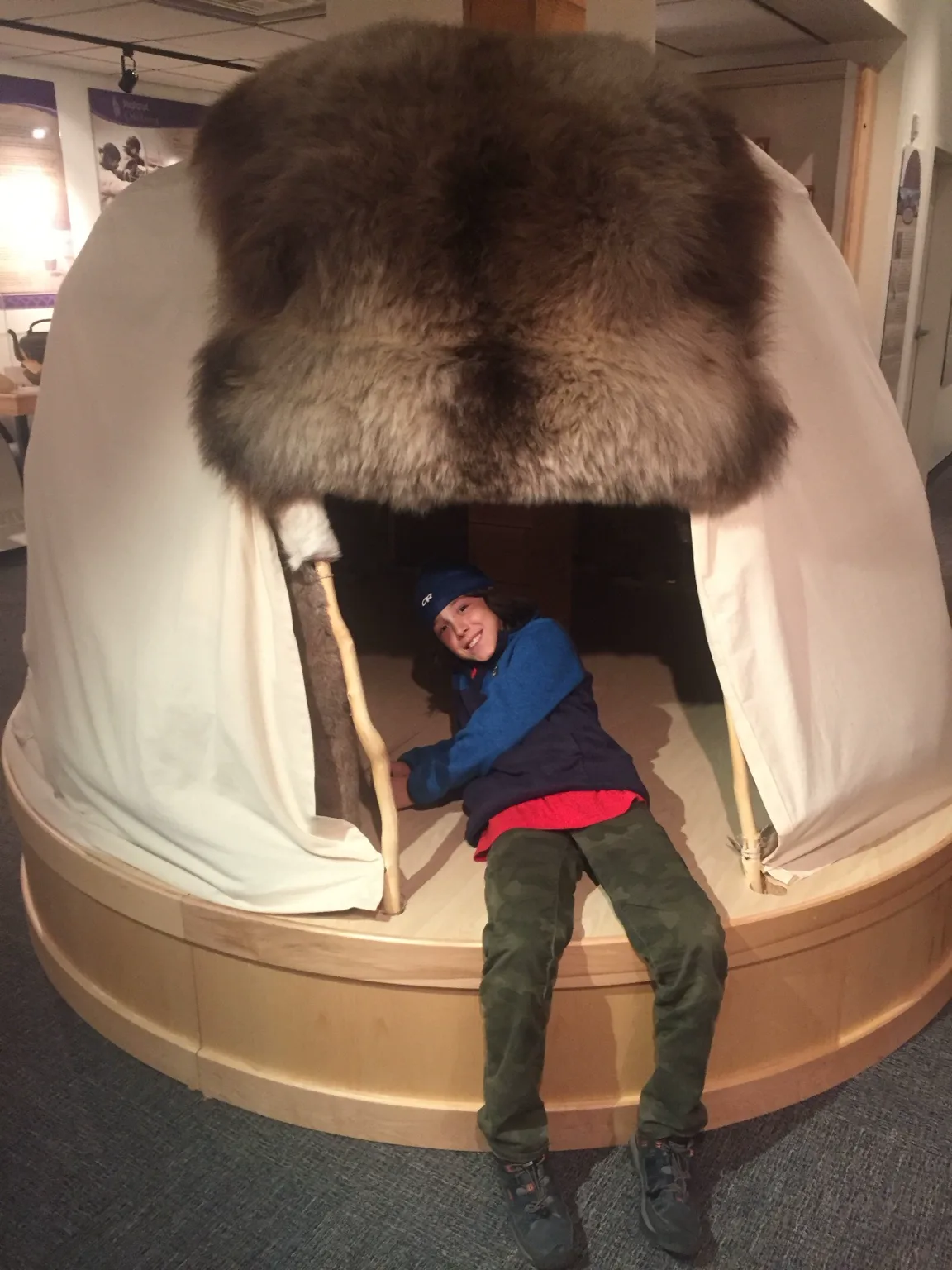
Walking the tundra
The ground was soft. The light lasted.
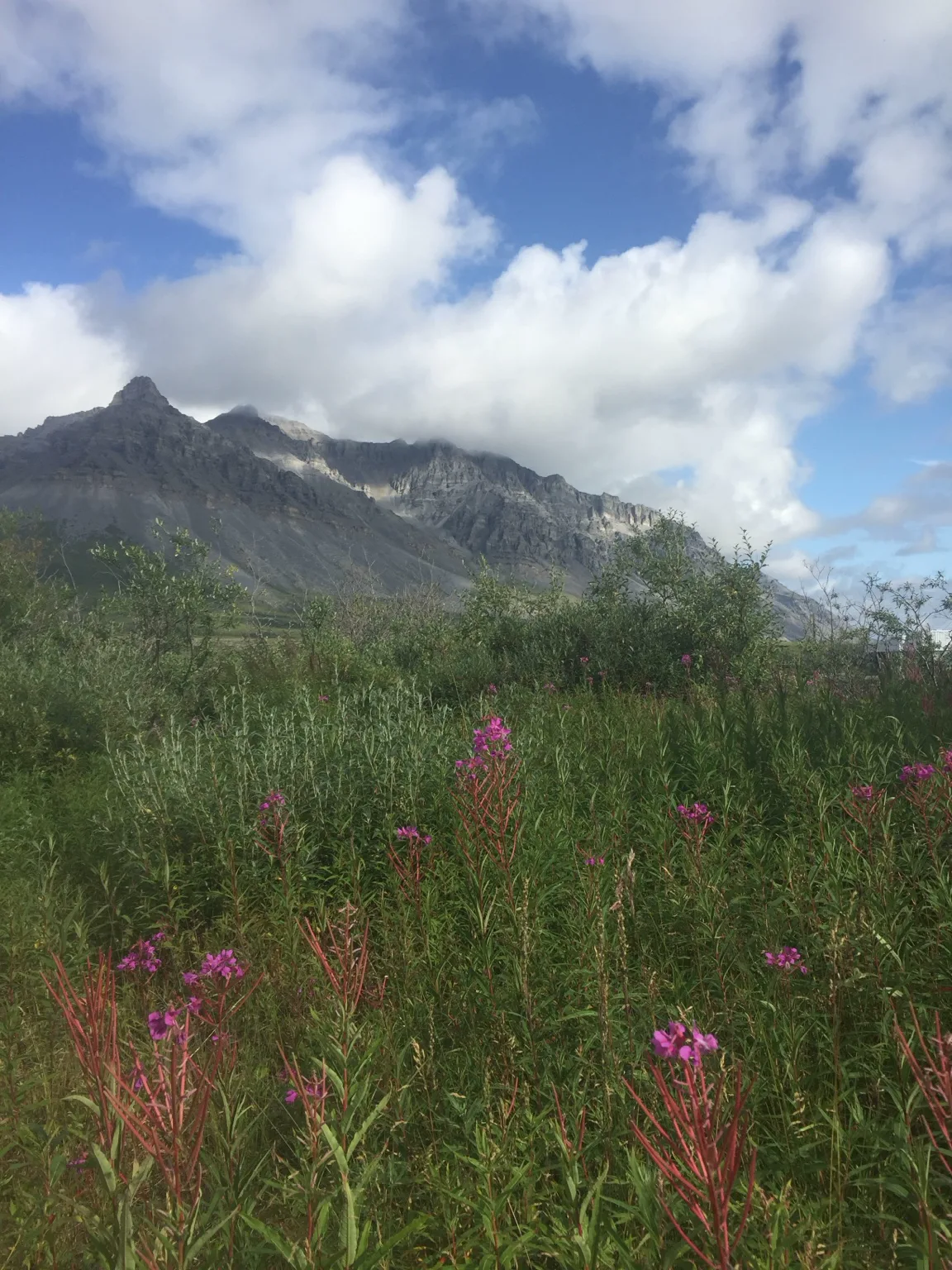
We hiked beyond the village through low willow and fireweed. We underestimated the long exposure beneath the bright Arctic summer sky and returned sunburned. The sun sat lower than it does farther south, but it remained present for hours, reflecting from open ground with very little shade.
Robbie’s favorite ranger
Twenty years in the community
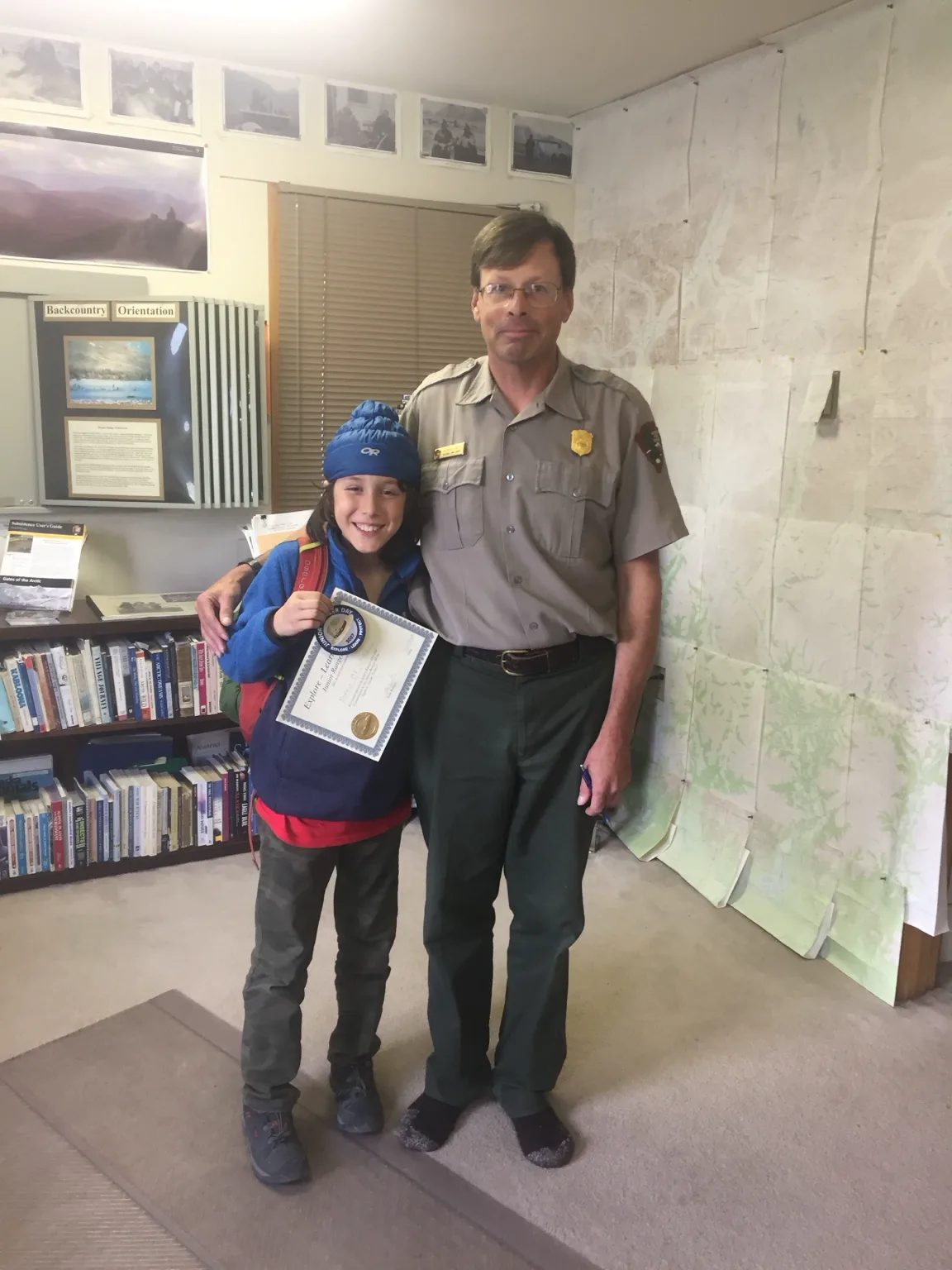
The ranger greeted Robbie at the foot of the visitor center wearing socks. That unguarded welcome delighted him. The ranger had lived in Anaktuvuk Pass for twenty years, and he spoke from a relationship with the community rather than from a distant post.
Robbie still remembers him as his favorite park ranger. The encounter made the National Park Service feel personal. A place could be protected not only by rules and maps, but by someone who stayed long enough to know its people.
A teaching in plain sight
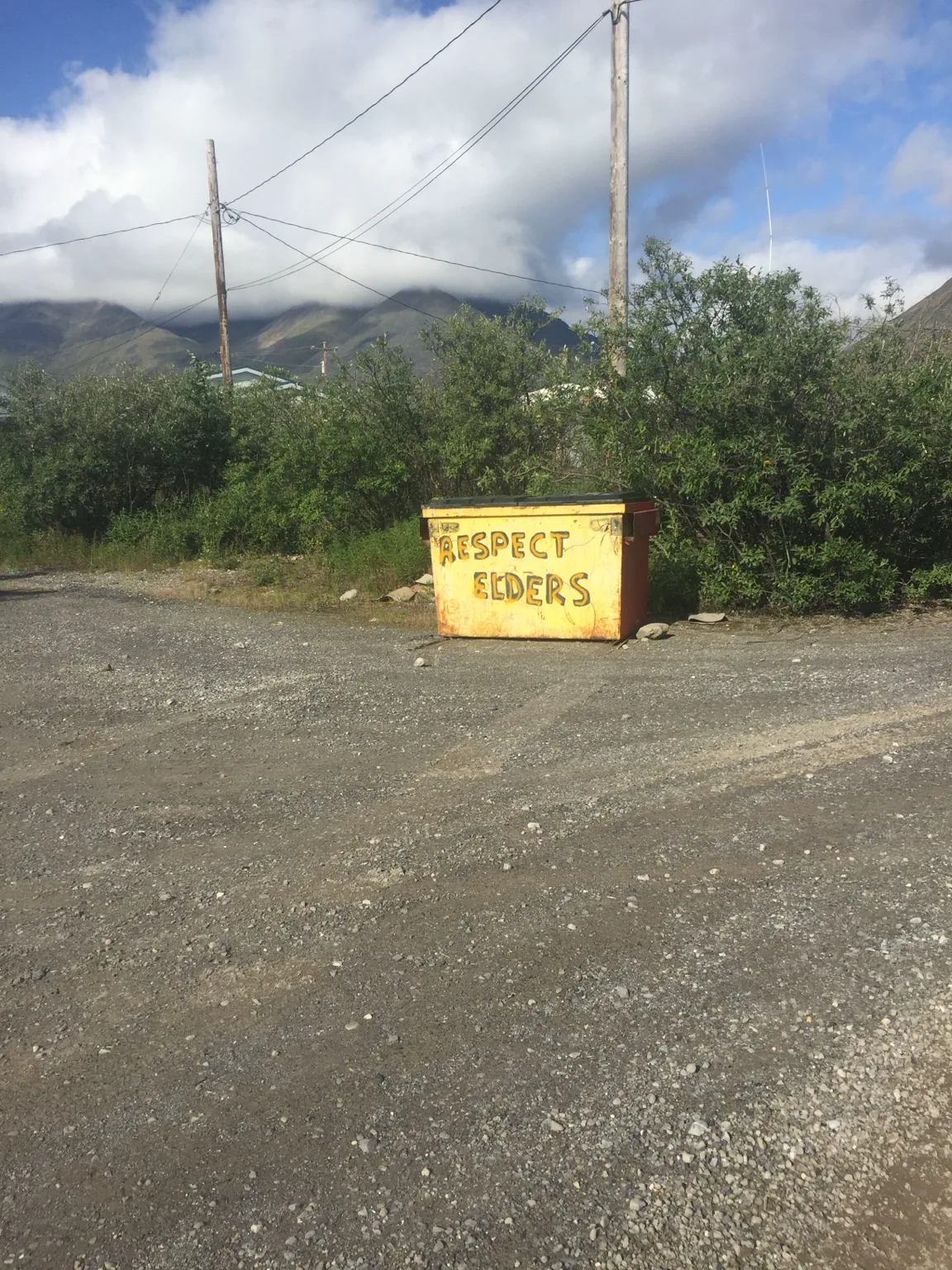
Respect elders.
The words appeared on a weathered yellow box beside the road. They were not separated from the landscape or placed behind museum glass. They belonged to the community’s everyday field of attention.
What the visit changed
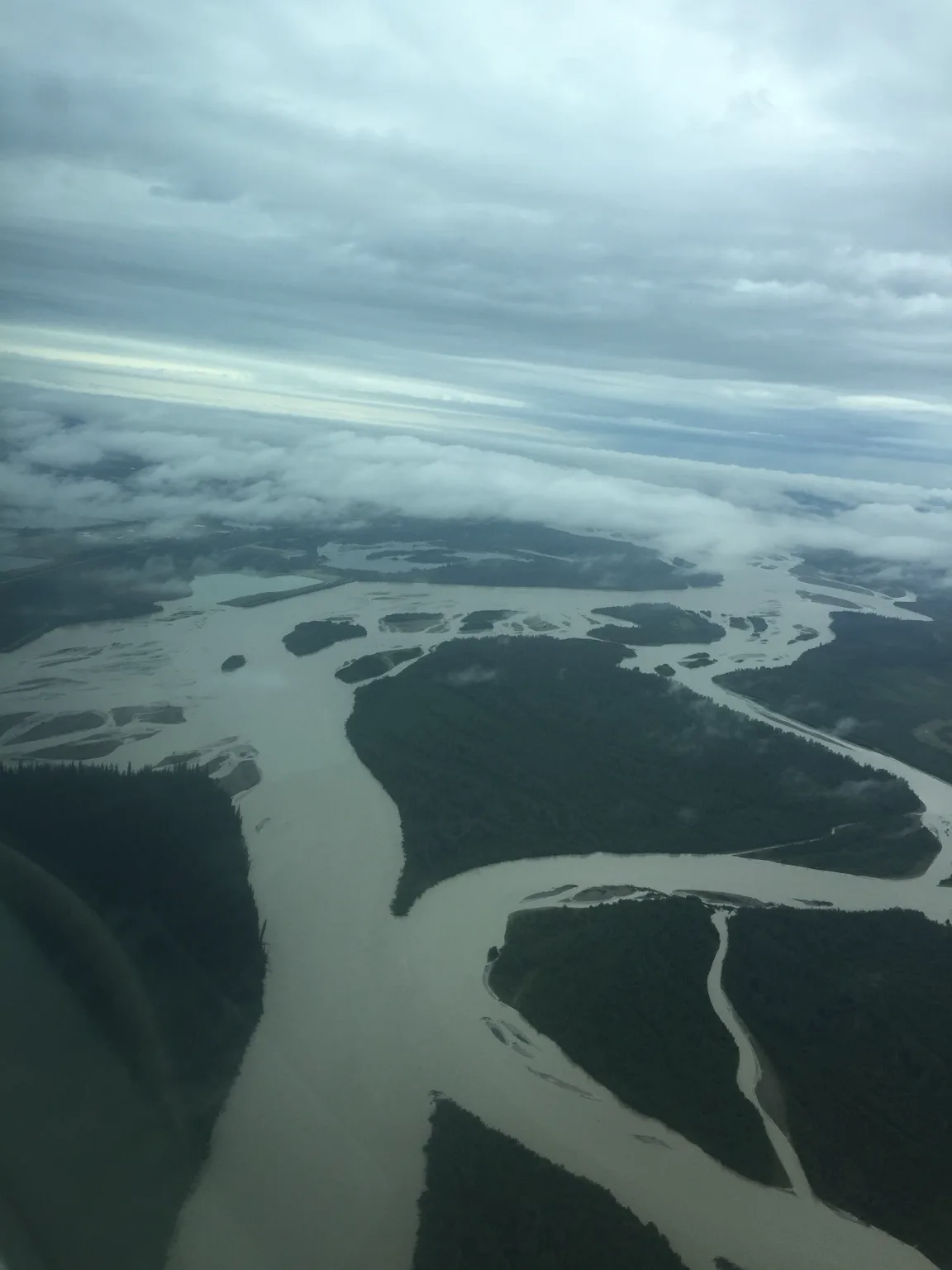
The park was not empty land. It was a living homeland.
Anaktuvuk Pass taught us that a national park cannot be understood only through its scenery. The mountains, caribou, school, museum, ranger, and families were not separate subjects. They were parts of one relationship.
Planning the journey
Traveling into the Western Arctic
Practical notes on bush flights, weather, lodging, food, and moving respectfully through these roadless parklands are being prepared.
Western Arctic field guide · Coming soon